
Residential vs. Commercial Backflow Testing in San Diego: Key Differences
If you’re a homeowner or a property manager, ensuring your water supply remains safe and uncontaminated is a top priority. That’s where backflow prevention and testing come in. In San Diego, both residential and commercial properties are required to comply with local regulations for backflow prevention. However, the needs, frequency, and complexity of testing can vary significantly between homes and businesses.
Understanding the differences between residential backflow testing in San Diego and commercial testing is important for staying compliant and protecting your water supply. Here in this guide, we’ll break down the main differences between residential and commercial backflow testing, the regulations that apply in San Diego, and what property owners should know to stay ahead of potential issues.
Understanding Backflow
Backflow occurs when water flows in the opposite direction than intended, potentially allowing contaminants like fertilizers, chemicals, or bacteria to enter the potable water supply. This can happen due to a drop in pressure or when pressure in a non-potable system exceeds the pressure in the clean water supply. To prevent this, most properties are equipped with backflow prevention assemblies, which must be tested regularly to ensure they’re functioning properly.
San Diego requires certain properties to have backflow prevention devices. Furthermore, any property that has a device is required to comply with testing standards and report the results of that testing to its municipality at least annually.
Key Differences Between Residential and Commercial Backflow Testing
Let’s take a closer look at how residential and commercial backflow testing in San Diego differs across several key areas.
Size and Complexity of Systems
Most single-family, residential homes have relatively simple plumbing systems and typically only one backflow prevention device. This device is often installed on irrigation systems or near hose bibs to prevent outdoor contaminants from re-entering the home’s water supply.
Commercial properties can include office buildings, restaurants, apartment complexes, industrial facilities, and more. These properties, on the other hand, often have multiple backflow prevention assemblies due to the size and complexity of their plumbing systems. For example, a medical facility may require separate BPAs for lab sinks, sterilization equipment, and general plumbing systems. As a result, commercial backflow testing usually involves inspecting and certifying several devices of varying sizes and types.
Regulatory Requirements
San Diego’s Water Department typically requires annual backflow testing for residential homes with installed BPAs, particularly for those connected to irrigation systems. Residential testing is straightforward, and as long as the device passes, no further action is needed beyond routine annual certification.
However, the regulations for commercial properties are more stringent. The City of San Diego mandates annual testing, but depending on the type of business, additional oversight may be involved. Restaurants, manufacturers, and medical offices often fall into higher-risk categories and may be subject to more frequent inspections or reporting requirements. Commercial properties must also ensure all backflow devices are properly registered with the city.
Type of Backflow Prevention Assemblies Used

Most residential properties use smaller devices such as double check valves or pressure vacuum breakers. These are typically sufficient for the types of contaminants that might be introduced via lawn irrigation or minor exterior plumbing.
Due to the increased risk of contamination and the scale of operations, commercial properties often use more advanced and robust devices such as reduced-pressure zone (RPZ) assemblies. These offer a higher level of protection but also require more specialized testing and maintenance procedures.
Testing Procedures and Equipment
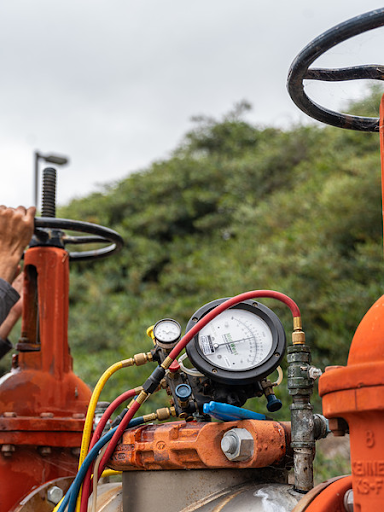
Testing a residential BPA is usually a quick process and can often be completed in under an hour. Certified testers use pressure gauges and test kits to check for leaks, proper valve operation, and adequate pressure maintenance. Minimal disruption is involved, and the homeowner usually doesn’t need to shut off their water for long.
Commercial testing can be far more involved. The tester may need access to mechanical rooms, rooftops, or basement-level systems. Testing could take several hours, depending on the number and type of devices. Additionally, commercial testers may need to coordinate with property managers or maintenance teams to ensure safe and complete access.
Cost of Testing
Because the systems are simpler and quicker to test, residential backflow testing in San Diego tends to be relatively affordable. Pricing can vary slightly depending on location and accessibility, but it’s generally a flat rate for a single device.
Commercial testing costs can vary widely. Factors like the number of devices, their location, and whether repairs are needed all influence the final price. Commercial property owners should also budget for potential device replacement or system upgrades if their BPAs fail inspection.
Consequences of Non-Compliance
For homeowners, failing to perform annual testing can lead to fines, warnings, or temporary water shut-off. However, the larger risk is the potential contamination of their water supply and that of nearby properties, particularly in dense neighborhoods.
Non-compliance can have even more serious consequences for commercial properties. In addition to fines and service interruption, businesses may be cited for health violations, face licensing issues, or even be temporarily shut down. For businesses that serve the public, such as restaurants or medical clinics, this could damage their reputation and bottom line.
San Diego’s Local Backflow Testing Guidelines
San Diego takes backflow prevention seriously, and for good reason. The area has a constantly changing and growing population, which leads to increasing demand on infrastructure. The risk of water contamination must be minimized to protect people throughout the city, whether they are residential or commercial. The city requires all backflow devices to be tested annually by a certified backflow tester, and results must be submitted directly to the Public Utilities Department.
If a device fails testing, repairs or replacements must be made promptly, followed by a re-test. Both residential and commercial property owners are responsible for staying on schedule and keeping documentation up to date.
Count on 1 Affordable Backflow for Commercial or Residential Backflow Testing in San Diego
Backflow prevention is a critical part of maintaining public health and a safe water supply. While the basic goal of testing is the same for all properties, residential and commercial backflow testing in San Diego differs significantly in scope, complexity, and cost.
If you’re looking for a certified, reliable provider for your next inspection, 1 Affordable Backflow offers professional testing services throughout San Diego for both residential and commercial properties. Our team is fully licensed and experienced in handling the unique needs of every property type. Contact us today to schedule your backflow test.