

San Diego Backflow Compliance: Everything You Need to Know About Local Regulations
Staying on top of San Diego backflow compliance is essential for protecting your water supply and avoiding potential fines or service interruptions. Whether you’re a homeowner, property manager, or business owner, understanding local requirements can help you stay compliant and keep your drinking water safe.
Backflow prevention may not be something you think about often, but it plays a critical role in preventing contaminated water from flowing back into clean water lines. Local regulations are designed to ensure these systems are properly installed, tested, and maintained. And it’s your responsibility as a property owner to follow them.
What Is Backflow and Why Does It Matter?
Backflow occurs when water flows in the opposite direction than intended, potentially allowing contaminants like chemicals, bacteria, or debris to enter the potable water supply. This can happen due to changes in water pressure, such as during a main break or heavy system demand.
To prevent this, backflow prevention devices are installed at key points in your plumbing system. These devices act as barriers, ensuring that water flows in one direction only. Because of the risks involved, backflow prevention is not optional in many cases. It’s required by law.
Who Needs a Backflow Prevention Device?
Not every property requires a backflow device, but many do. In San Diego, devices are typically required for properties that could pose a higher risk of contamination.
This may include:
- Commercial buildings and industrial facilities
- Irrigation systems and large landscaping setups
- Multi-family housing or apartment complexes
- Properties with fire sprinkler systems
- Restaurants, medical facilities, or car washes
- Certain homes that meet qualifications
Even some residential properties may be required to install a device if there is a potential cross-connection between potable and non-potable water sources. If you’re unsure whether your property requires one, your local water authority or a certified backflow professional can help determine your specific needs.
Understanding Local Testing Requirements
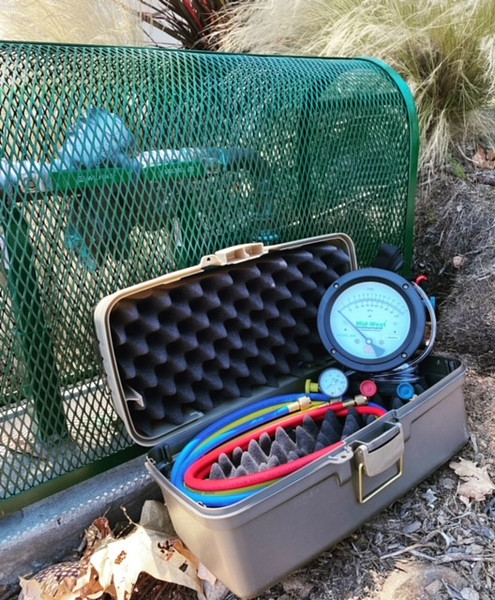
One of the most important aspects of compliance is annual backflow testing. In San Diego, most backflow prevention devices must be tested once a year by a certified tester.
During a backflow test, a trained technician will:
- Inspect the device for proper operation
- Check for leaks or signs of wear
- Ensure the system is effectively preventing reverse flow
- Submit test results to the appropriate water authority
This testing is not just a recommendation. It’s a requirement. Missing your annual test can lead to notices, penalties, or even water service disruptions.
What Happens If You Don’t Stay Compliant?
Failing to meet backflow compliance requirements can have serious consequences. Local water authorities take these regulations seriously because they directly impact public health.
Potential consequences could include:
- Written notices or warnings
- Fines or penalties
- Required immediate repairs or replacements
- Suspension of water service in severe cases
Beyond the legal implications, non-compliance can also increase the risk of contamination, which could affect not only your property but the surrounding community as well.
Installation and Maintenance Guidelines
If your property requires a backflow prevention device, proper installation is key. Devices must be installed according to local plumbing codes and often require permits and inspections.
Once installed, ongoing maintenance is just as important. Over time, components can wear down due to water pressure, debris, or environmental conditions.
To stay compliant, property owners should:
- Schedule annual testing without delay
- Address repairs promptly if issues are found
- Keep records of all inspections and test reports
- Work with certified professionals for all services
Taking a proactive approach can help you avoid last-minute issues and ensure your system continues to function as intended.
How Notifications and Deadlines Work
In many cases, property owners will receive a notice from their water provider when testing is due. These notices typically include:
- The deadline for compliance
- Information about your specific device
- Instructions for submitting test results
It’s important not to ignore these notices. Even if you don’t receive one, you are still responsible for ensuring your device is tested on time each year. Setting reminders or working with a service provider who tracks your schedule can help you stay on top of deadlines.
Common Questions About Backflow Compliance
How long does a backflow test take?
Most tests can be completed in 20 to 30 minutes, depending on the system and accessibility of the device.
Do I need to be present during testing?
In many cases, no, as long as the tester has access to the device. However, it’s always a good idea to confirm in advance.
What if my device fails the test?
If a device fails, it will need to be repaired or replaced before it can pass inspection. A certified professional can guide you through the next steps.
Are records important?
Yes. Keeping documentation of your testing and maintenance is essential in case of audits or future compliance checks.
Staying Ahead of Compliance
The easiest way to stay compliant is to treat backflow prevention as part of your regular property maintenance routine. Scheduling testing early, keeping records organized, and working with experienced professionals can make the process simple and stress-free.
For business owners especially, staying compliant helps avoid disruptions that could impact operations, customers, or employees. Maintaining compliance can also help protect your property value and prevent unexpected expenses over time. When systems are routinely inspected and maintained, small issues can be identified early. And then they can be addressed before they turn into costly repairs or emergency situations.
Stay on Top of San Diego Backflow Compliance with 1 Affordable Backflow
Understanding San Diego backflow compliance is key to protecting your water supply and meeting local regulatory requirements. With proper installation, regular testing, and timely maintenance, you can avoid penalties and ensure your system is working as it should.
If you need help staying compliant, we’re here to make the process easy. At 1 Affordable Backflow, we provide certified testing, repairs, and guidance to help you meet all local requirements without the hassle. Contact us today to schedule your service, stay on track with annual testing, and keep your property fully compliant year-round.