
Why Annual Backflow Testing is Essential for San Diego Homes & Businesses
Clean, safe water is an item most people rarely think about until something goes wrong. In a city like San Diego, where residential neighborhoods, commercial properties, and irrigation systems are tightly interconnected, protecting the public water supply is a shared responsibility. That’s where annual backflow testing comes in. If you’ve ever searched for “backflow testing near me,” it’s likely because you were required to schedule a test or wanted to make sure your property’s water system was properly protected.
Backflow testing isn’t just a box to check for compliance. It plays a critical role in preventing contamination, protecting health, and keeping properties aligned with local water regulations.
What Backflow Is and Why It’s a Problem
Backflow occurs when water flows in the opposite direction than intended, allowing contaminants to enter the clean water supply. This can happen due to changes in pressure caused by events like water main breaks, heavy usage by fire hydrants, or even routine maintenance work.
When backflow happens, substances such as fertilizers, chemicals, bacteria, or debris can be pulled into potable water lines. For homes, that can mean unsafe tap water. For businesses, especially places like restaurants, medical facilities, and industrial properties, the consequences can be far more serious.
Backflow prevention devices are installed to stop this reverse flow, but like any mechanical component, they require regular inspection to ensure they’re functioning properly.
Why Annual Testing Is Required
San Diego water authorities require annual backflow testing for many residential and commercial properties. This isn’t arbitrary. Over time, backflow prevention assemblies can wear down, experience internal damage, or fail due to corrosion, debris buildup, or pressure fluctuations.
Annual testing helps to:
- Verify that the device is still preventing contamination
- Catch minor issues before they become major failures
- Ensure continued compliance with local regulations
- Protect the broader community water system
Skipping or delaying testing increases the risk of undetected failure. That is something that can affect not just one property, but the entire surrounding area.
How Backflow Testing Protects Homes
For homeowners, backflow risks often come from irrigation systems, swimming pools, fire sprinklers, and auxiliary water connections. Lawn fertilizers, pesticides, and standing water are common sources of contamination that can enter household plumbing if a backflow device fails.
Annual testing provides peace of mind by confirming that:
- Drinking water remains safe for household use
- Irrigation systems are properly isolated from potable water
- Plumbing connections meet current safety standards
Even if your system has worked fine for years, conditions change. Pressure events or internal wear can compromise a device without any visible warning signs.
Why Businesses Typically Face Higher Stakes
Commercial and multi-use properties typically have more complex plumbing systems and higher water demands. This increases both the likelihood of pressure changes and the potential impact of backflow incidents.
Annual backflow testing is especially critical for:
- Restaurants and food service facilities
- Medical and dental offices
- Manufacturing and industrial sites
- Apartment complexes and HOAs
- Commercial buildings with fire suppression systems
For these properties, a failed test can lead to compliance issues, operational disruptions, or even temporary shutdowns until the problem is corrected.
Common Backflow Devices Found on San Diego Properties
Not all backflow prevention assemblies are the same, and understanding what type is installed on a property can help owners better understand their testing requirements. In San Diego, the most common devices include pressure vacuum breakers (PVBs), reduced pressure principle assemblies (RPs), and double check valve assemblies (DCs).
Residential irrigation systems often rely on PVBs or RPs, which are designed to protect against contamination from fertilizers, soil, and standing water. Commercial properties and fire suppression systems more commonly use RPs or DCs, depending on the level of hazard involved. Each device type has its own testing criteria and performance standards, which is why testing must be conducted by a certified professional familiar with local regulations.
Knowing what type of device you have also helps explain why some tests are quicker than others and why certain failures require immediate attention.
Understanding the Testing Process
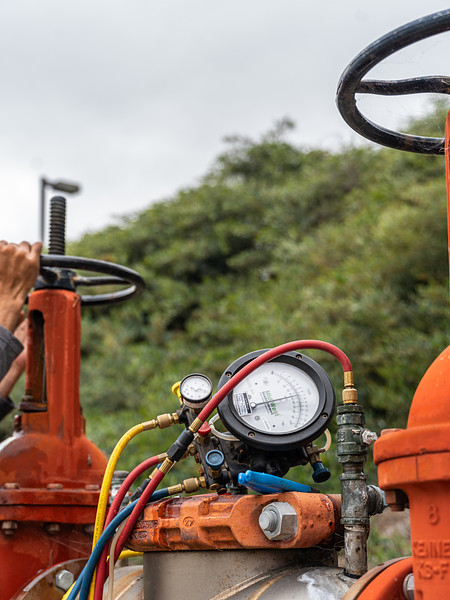
Backflow testing is a standardized procedure performed by a certified technician using calibrated equipment. During the test, water pressure is measured at various points in the device to ensure it’s functioning as designed.
The process typically includes:
- Visual inspection of the assembly
- Pressure differential testing
- Documentation of results
- Submission of test reports to the local water authority
If a device fails, repairs or replacement may be required, followed by a retest to confirm compliance.
The Cost of Skipping or Delaying Testing
Some property owners view annual testing as an inconvenience, but postponing it often leads to greater expense. Missed deadlines can result in fines, notices from the water district, or service interruptions.
More importantly, undetected failures can expose people to contaminated water, leading to health risks and potential liability issues. When weighed against those consequences, routine testing is a small but essential investment.
Staying Ahead of Compliance
San Diego regulations can change, and requirements may vary based on property type or system configuration. Staying proactive with annual testing helps property owners remain compliant without scrambling to meet last-minute deadlines.
Scheduling testing early each year also allows time to address any issues without pressure from enforcement notices or service restrictions.
Protecting the Bigger Picture
Backflow prevention isn’t just about individual properties. It’s more about safeguarding the shared water infrastructure that San Diego residents and businesses depend on every day. One failed device can compromise an entire section of the system, which is why consistent testing across the community matters.
By keeping devices properly tested and maintained, property owners play a direct role in protecting public health and water quality.
Looking for Backflow Testing Near Me? Call 1 Affordable Backflow
Whether you own a home, manage a commercial property, or oversee multiple locations, annual backflow testing is a responsibility that shouldn’t be overlooked. If you’re searching for a backflow testing company, it’s important to work with a provider that understands local requirements and handles the process accurately and efficiently.
At 1 Affordable Backflow, we help homeowners and businesses stay compliant, protect their water supply, and avoid unnecessary stress. If it’s time for your annual test, or if you have questions about your backflow device, reach out to us today.